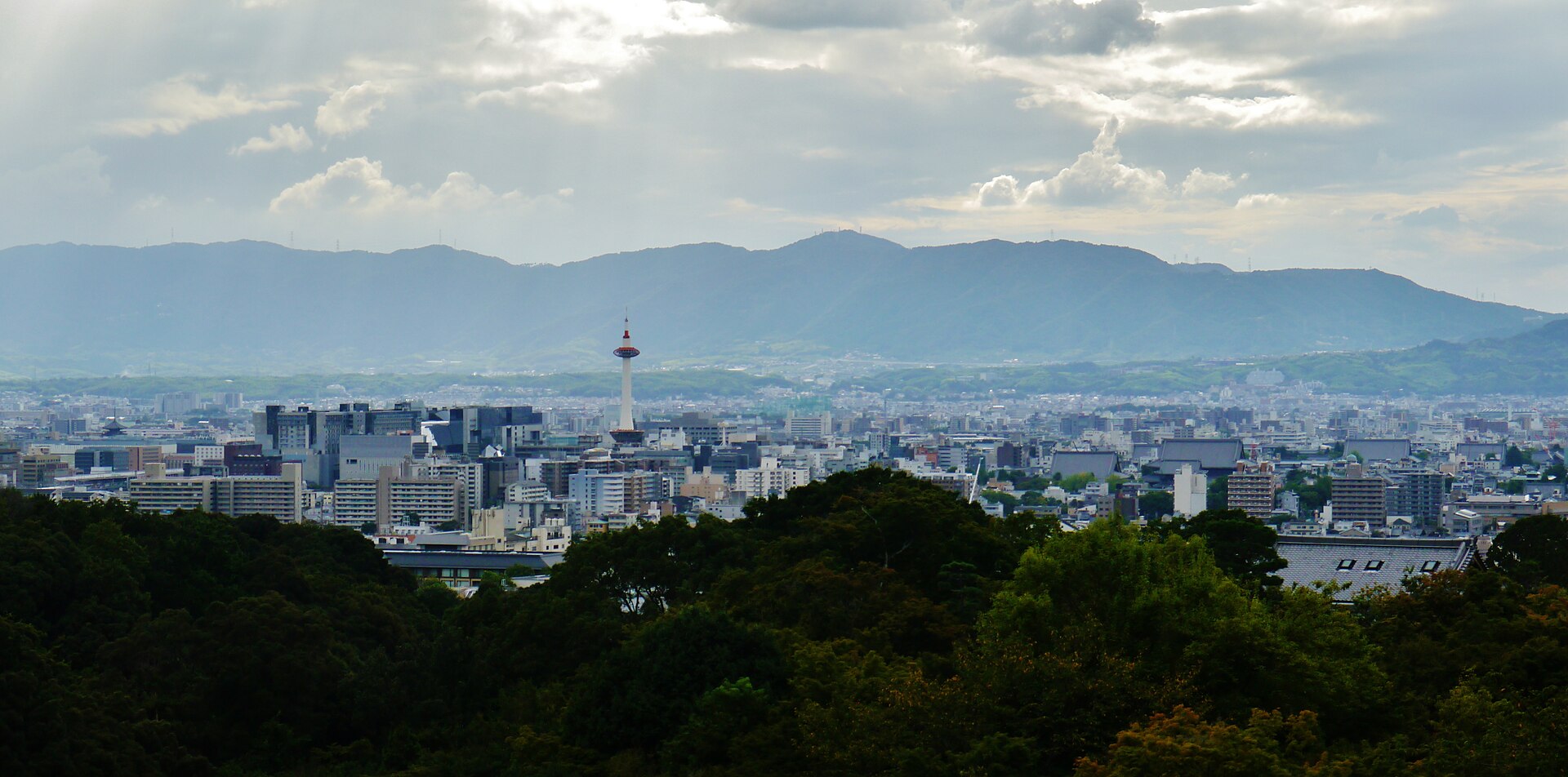
Kyoto, Japan
Zairon / CC BY-SA 4.0

City guide ·Japan

Where to stay in Kyoto

Kyoto's sights are scattered — Kinkaku-ji north-west, Ginkaku-ji north-east, Fushimi south, Arashiyama at the western edge — so no neighbourhood puts most of them on foot, and the choice is really about what you can reach. For most first visits Downtown around Kawaramachi and Shijō is the strongest base: every line passes through it and it is the only part of the city with a full choice of places to eat, at the price of the noisiest nights and no atmosphere. Choose Gion for the Kyoto of the photographs and the highest rates, Kyoto Station for trains and day trips, Nishijin for a quiet machiya near the centre, Northern Higashiyama for temples strung along a walk, Arashiyama for the riverside once everyone leaves, and Fushimi when the budget decides.

7 areas reviewed7 hotels selectedLast reviewed · 14.08.2026

Start here

What kind of trip are you planning?

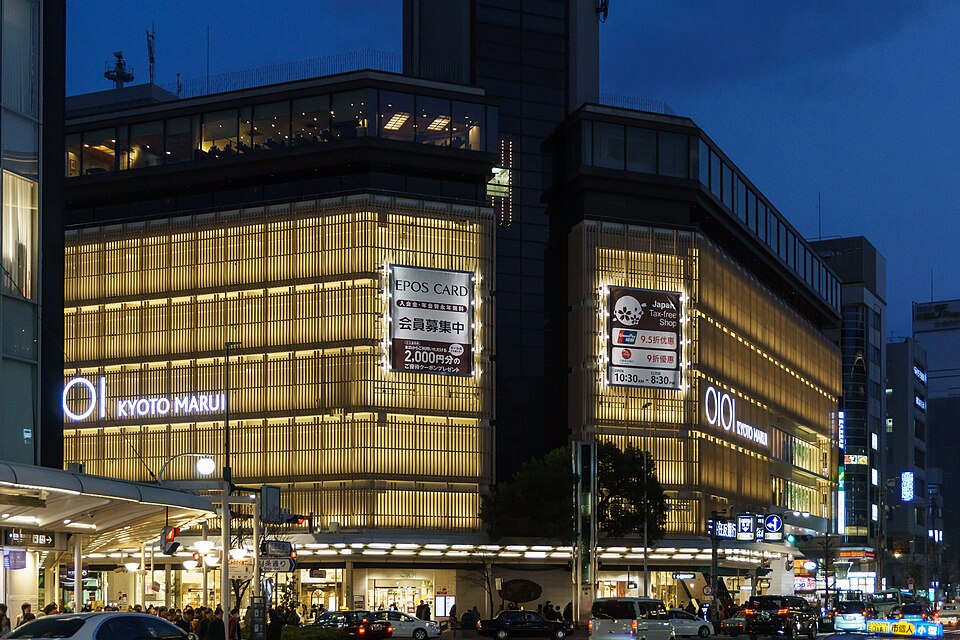
A lit department store facade on Shijō at blue hour, traffic and crowds belowMaksym Grinenko / CC BY-SA 4.0

Best overall

Downtown — Kawaramachi & Shijō

The strongest all-round base. Kyoto's sights are scattered across the whole basin, so the useful question is not which neighbourhood is prettiest but which one reaches the rest of them — and this one reaches everything and feeds you afterwards.

Downtown is the grid between Shijō and Oike, from Karasuma east to the Kamo: the Nishiki food market behind Shijō, the covered arcades of Teramachi and Shinkyōgoku, and the restaurant lanes of Pontochō and Kiyamachi along the river. It is the one part of Kyoto that is awake in the evening, the one with a full choice of places to eat, and the point the city's train and bus lines pass through or end at. What you give up is the atmosphere people come to Kyoto for: this is a working commercial centre, and the temples and wooden streets are ten minutes east rather than outside your door.

See the area guide →
Sightseeing
8.0
Walkability
9.3
Transport
9.0
Food
9.5
Price level
Upscale

Where the areas are

The 7 areas we cover, drawn. Where they sit in relation to each other is the thing a list of names cannot tell you, and it is most of the decision.

Fushimi & InariNorthern HigashiyamaArashiyamaImperial Palace & NishijinGion & Southern HigashiyamaDowntownKyoto Station

Districts: e-Stat 2020 census small areas, edited. Rivers: OpenStreetMap contributors, ODbL.

Step one · choose the area

7 areas, 7 different Kyotos.

Price
7 areas
A lit department store facade on Shijō at blue hour, traffic and crowds belowMaksym Grinenko / CC BY-SA 4.0
Upscale
No. 01

Downtown — Kawaramachi & Shijō

Downtown is the grid between Shijō and Oike, from Karasuma east to the Kamo: the Nishiki food market behind Shijō, the covered arcades of Teramachi and Shinkyōgoku, and the restaurant lanes of Pontochō and Kiyamachi along the river. It is the one part of Kyoto that is awake in the evening, the one with a full choice of places to eat, and the point the city's train and bus lines pass through or end at. What you give up is the atmosphere people come to Kyoto for: this is a working commercial centre, and the temples and wooden streets are ten minutes east rather than outside your door.

Sightseeing8.0
Walkability9.3
Transport9.0

Best for

A first trip, where reaching a scattered city matters more than the view from the room · Travellers who want dinner to be a decision made at seven, not booked in advance
See the area
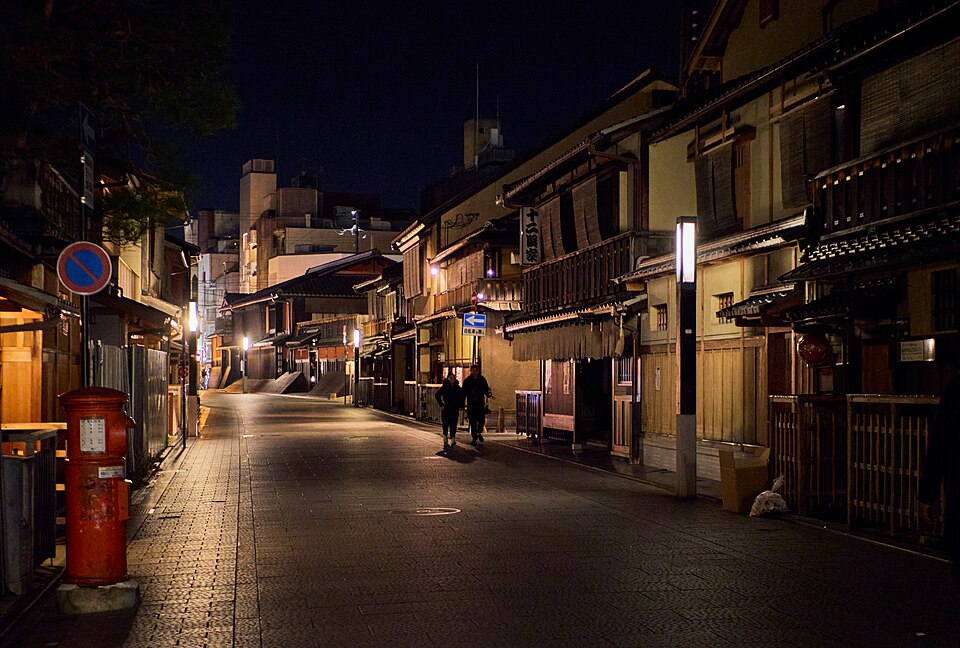
A Gion street at night, machiya frontages and lanterns along the cobbleslumoplank / CC0
Luxury
No. 02

Gion & Southern Higashiyama

The slope between the Kamo and the hills, from Yasaka Shrine and Maruyama Park south through Kōdai-ji and the lanes climbing to Kiyomizu-dera. This is the Kyoto of the photographs, and one of the few places where the photographs are honest: the streets really are wooden and staying here means walking out into them before the buses arrive. Two things temper it. It is the most crowded ground in the city between mid-morning and late afternoon, and it is the most expensive. The private lanes of Gion Kōbu are a working district where photography is restricted and residents are not an attraction.

Sightseeing9.5
Walkability8.0
Transport6.5

Best for

A first trip that is mostly about temples · Travellers who want a ryokan and would rather walk to dinner than ride

See the area
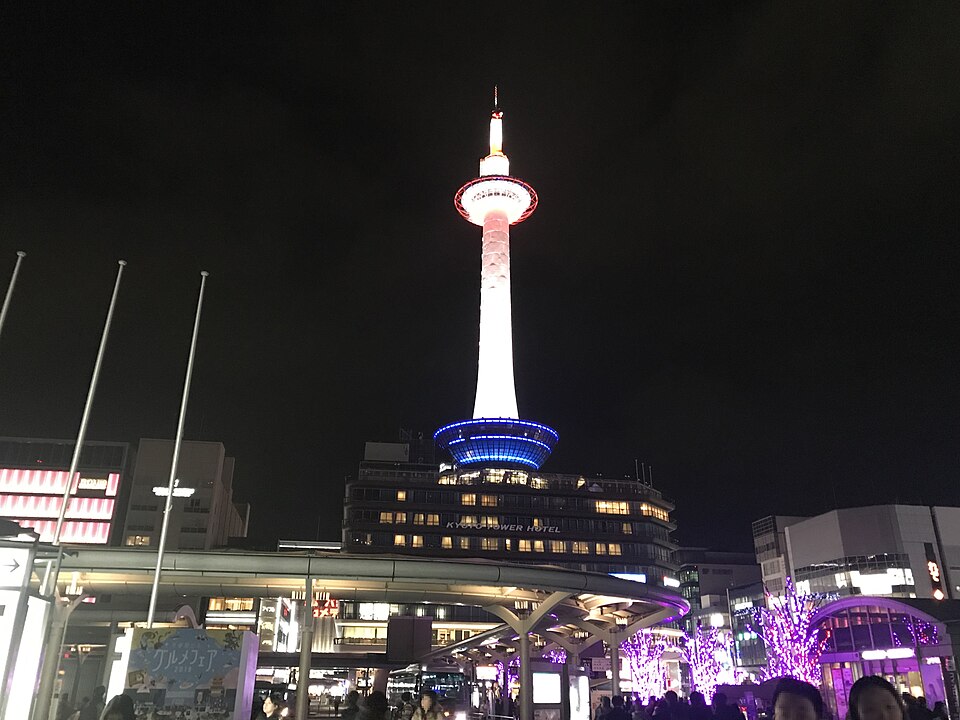
Kyoto Tower lit above the station forecourt at nightそらみみ / CC BY-SA 4.0
Mid-range
No. 03

Kyoto Station

The blocks around the station itself, north into Shimogyō and south into Minami. It is the least atmospheric answer to the question and, for a certain trip, the right one: the city's buses start here, the Shinkansen stops here, the airport express leaves from here, and Nara and Osaka are close on ordinary trains. It also holds Kyoto's largest hotels, which means lifts, luggage rooms and space to open a suitcase — none of it guaranteed in the machiya districts. Higashi and Nishi Hongan-ji are a short walk north, and almost nobody staying here walks to them.

Sightseeing6.0
Walkability6.5
Transport10.0

Best for

Day trips to Nara, Osaka and beyond · Arriving late or leaving on an early Shinkansen

See the area
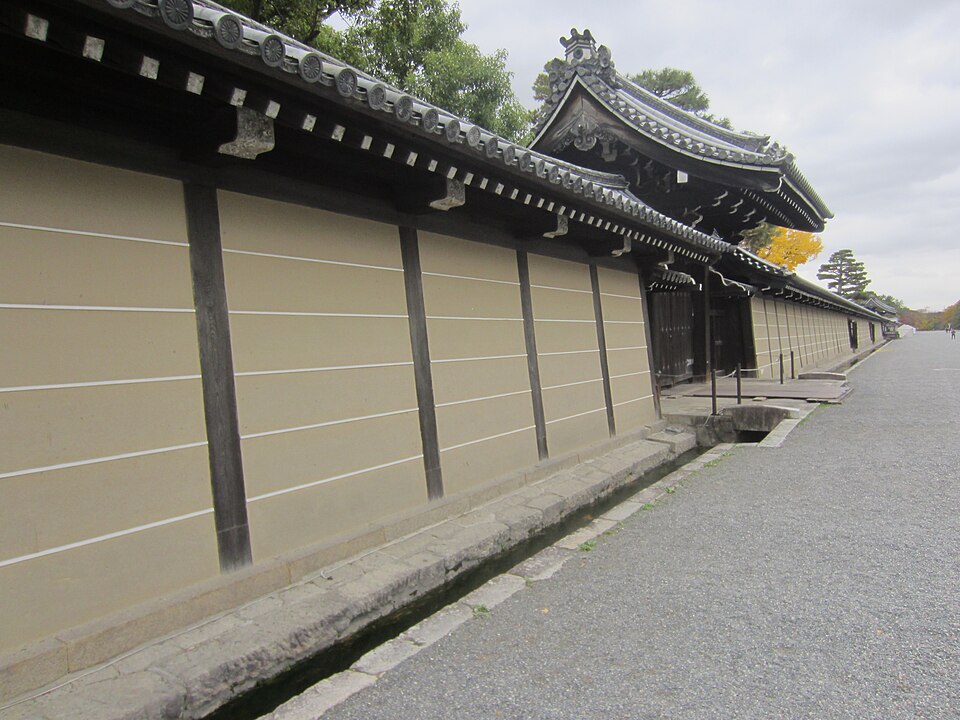
The long ochre wall of the imperial enclosure beside a gravel pathAnother Believer / CC BY-SA 4.0
Mid-range
No. 04

Imperial Palace & Nishijin

The quiet centre. Kyoto Gyoen, the walled park around the Imperial Palace, is the green heart of the city and open to walk through; west of it, Nishijin is the weaving district, a grid of low machiya where the looms still run and the street life is entirely local. It is ten minutes from Downtown by subway and feels a world away from it. Nothing here is a headline sight, which is the point: this is where you stay on a second visit, or on a first one if what you want from Kyoto is to live in it for a week rather than photograph it in three days.

Sightseeing6.5
Walkability7.5
Transport7.0

Best for

Longer stays and second visits · Travellers who want a machiya on a residential street

See the area
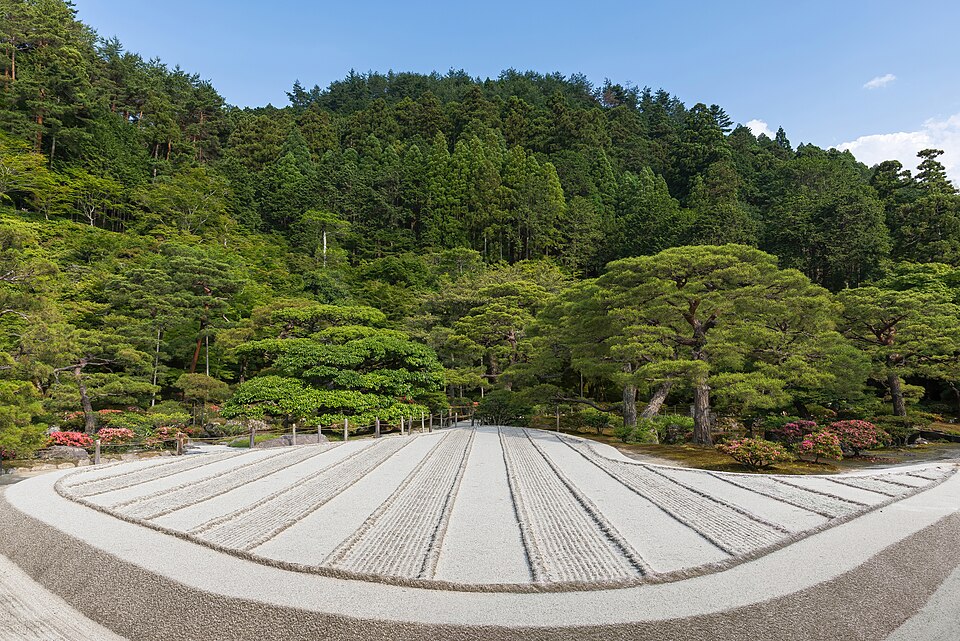
The raked sand garden at Ginkaku-ji below a wooded hillsideBasile Morin / CC BY-SA 4.0
Upscale
No. 05

Northern Higashiyama — Okazaki & Ginkaku-ji

The north-eastern edge, from Nanzen-ji and the Okazaki museum quarter up along the Philosopher's Path to Ginkaku-ji. Leafy, slow, and built around a canal walk rather than a shopping street. The sights are first-rank and, unusually for Kyoto, they are strung along a route rather than scattered, so a day here is a walk instead of a series of bus rides. The weakness is getting anywhere else: the subway reaches the southern end and the northern end is buses, which in this city means standing.

Sightseeing8.5
Walkability7.0
Transport5.0

Best for

A second visit, or a first one with time in it · Travellers who walk for pleasure

See the area
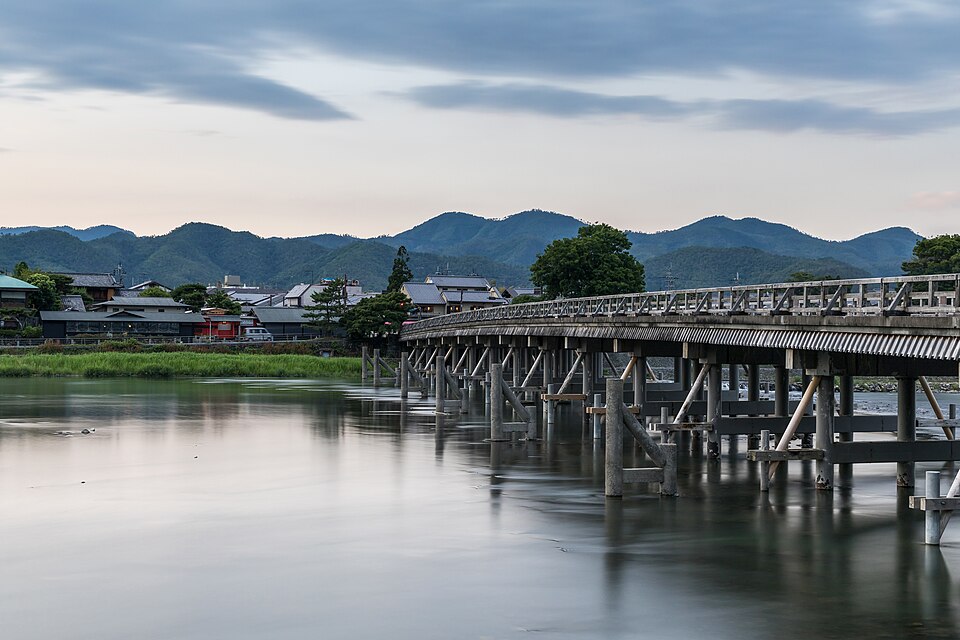
The wooden Togetsukyō bridge across the river, hills beyond at duskBasile Morin / CC BY-SA 4.0
Upscale
No. 06

Arashiyama

The far west, where the Katsura comes out of the hills at the Togetsukyō bridge: the bamboo grove, Tenryū-ji and its garden, the river. It is the one area on this list that is a destination in its own right rather than a part of the city, and that cuts both ways. By day it is as crowded as anywhere in Japan; by evening the day-trippers are gone and the riverside is close to empty, which is a genuinely different experience of Kyoto and the reason people stay. The cost is distance: everything else is a train ride, the last ones are not late, and dinner is limited to what is open near the bridge.

Sightseeing8.0
Walkability7.0
Transport4.5

Best for

A riverside ryokan and an evening with the place to yourself · Second visits

See the area
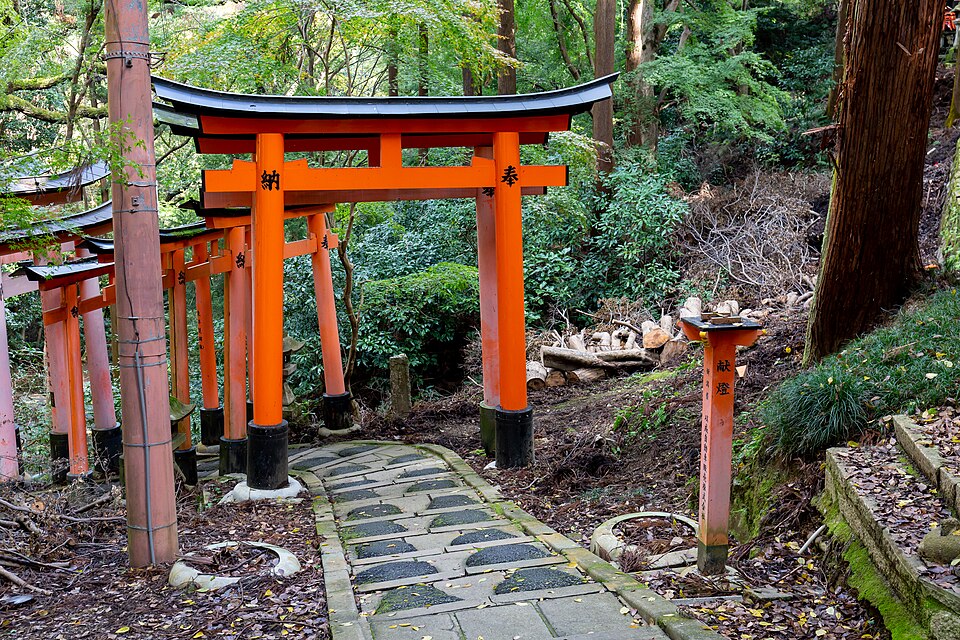
Vermilion torii along a paved path through the woodsBalon Greyjoy / CC0
Budget
No. 07

Fushimi & Inari

The south: Fushimi Inari's tunnel of gates on the hillside, and four kilometres down the valley the sake district around Chūshojima, where the breweries and their canal are. Well connected — JR and Keihan both run through, Kyoto Station is minutes away and Osaka is close — and the cheapest ground on this list by a distance. It is also the one area of the seven that is not a neighbourhood: Inari and the sake district are two separate places with a residential stretch between them, and a hotel “in Fushimi” may be beside the shrine gates or beside a brewery. Read the address, not the area name.

Sightseeing6.5
Walkability5.0
Transport7.5

Best for

Travellers watching what they spend · Early mornings at Fushimi Inari, before the crowds

See the area

Compare the areas

No overall score. Every traveller weights these differently.

AreaPriceSightseeingWalkabilityTransportFoodNightlifeQuietnessFamiliesValue
Downtown — Kawaramachi & ShijōUpscale8.09.39.09.58.53.57.56.0
Gion & Southern HigashiyamaLuxury9.58.06.58.06.06.55.03.0
Kyoto StationMid-range6.06.510.06.54.54.58.07.5
Imperial Palace & NishijinMid-range6.57.57.06.53.08.57.07.5
Northern Higashiyama — Okazaki & Ginkaku-jiUpscale8.57.05.06.03.58.06.56.5
ArashiyamaUpscale8.07.04.55.52.09.06.56.0
Fushimi & InariBudget6.55.07.55.53.08.06.08.5